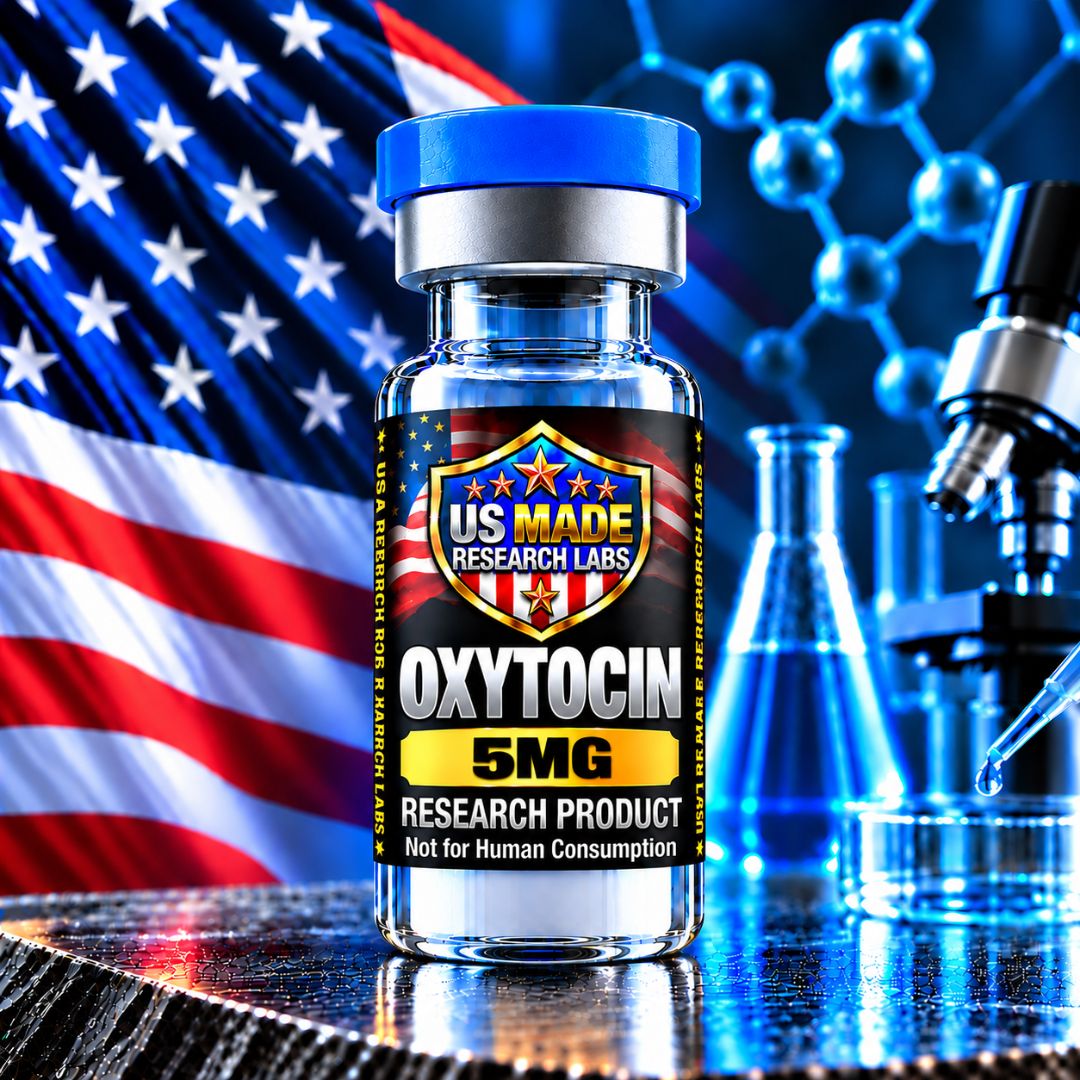
What Is Oxytocin?
Oxytocin is actually a hormone produced by the hypothalamus that is secreted by the pituitary gland. It plays a crucial role in childbirth and is also important in male reproduction. Oxytocin acts as a brain neurotransmitter. It helps regulate sexual reproduction, milk release, and orgasm. Studies also link Oxytocin with social interaction, empathy, generosity, and maternal bonding.
Oxytocin is often called the love hormone because its levels increase every time we kiss or hug a loved one. Its levels are also stimulated when giving birth, getting intimate, or breastfeeding an infant.
What Are Oxytocin Benefits?
WOUND HEALING – Oxytocin can modulate markers of inflammation by taking action towards inflammatory cytokines. A trial shows that rates of wound healing (37 couples) found an association of higher Oxytocin levels causing faster wound healing benefits.
- DIABETES AID & HEART PROTECTION FOR DIABETICS – Oxytocin has been shown to potentially increase glucose (carbs) uptake by skeletal muscle, etc by increasing insulin sensitivity. (allowing the production of insulin)Research in mice showed that Oxytocin plays a big role in Reducing Total Fat Mass, lipid usage and breakdown, and several other benefits. Deficiencies in Oxytocin have been shown to cause obesity even while on a “Normal Caloric Intake” & exercise regimen.
- COGNITIVE FUNCTION | PERFORMANCE – Research in mice has found that Oxytocin improved levels of hormones associated with neuron development in the Prefrontal Cortex. Although behaviour didn't change, there was an upward trend toward better cognitive function in the group.
- PROTECTS VEINS & YOUR HEART – The fact that oxytocin can improve wound healing by lowering inflammatory response. It has also been thought to improve heart and vascular health. This peptide has been shown to Improve Blood Pressure, Lipid Levels, and help with anxiety. These are ALL important in preserving heart health and fighting disease.
How Oxytocin Works?
New research shows that Oxytocin may increase the production and action of testosterone and IGF-1. Oxytocin is produced in the master gland, which is the hypothalamus. This gland is also what links the endocrine system to the nervous system. Oxytocin contributes to maintaining the natural function of the subject’s body.
Oxytocin has thermogenic capabilities and insulin-like properties. It is also directly involved in activating and regulating the pyruvate dehydrogenase complex, or PDH, which ensures glycolysis, gluconeogenesis, and fatty acid synthesis work smoothly and efficiently. Additionally, oxytocin helps ensure fat continues to burn at rest.
Oxytocin maintains the functional capability of the subject's body’s hormonal system. It ensures that the body maintains a natural biochemical anabolic process throughout. It also inhibits cortisol production, the muscle-wasting hormone.
Overall, the new research and known benefits of oxytocin show that the body can benefit from higher doses. However, this substance should be used with caution.